

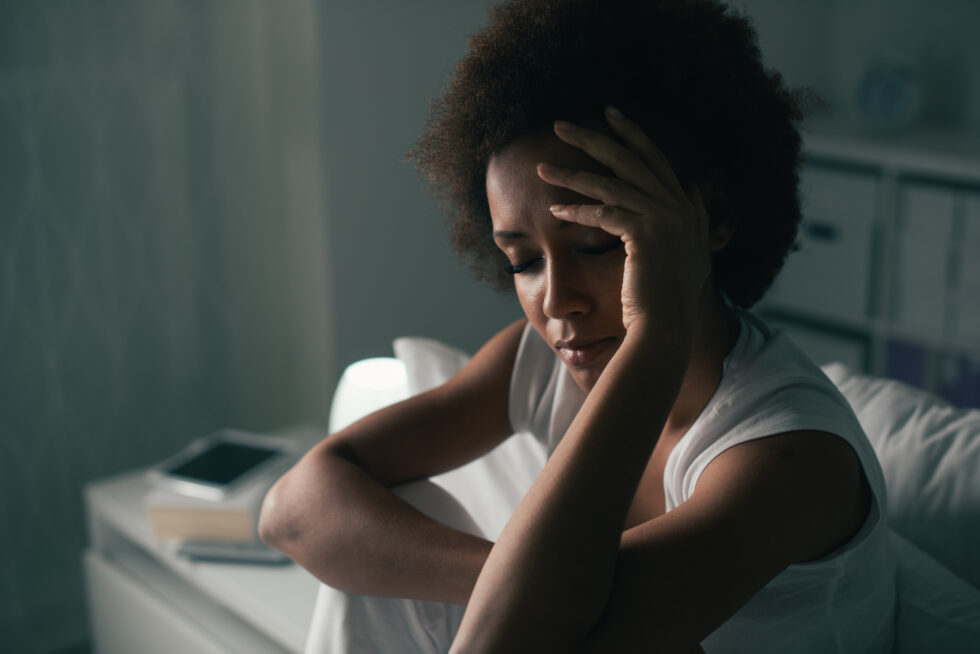
If you’ve ever had trouble sleeping because of stress and anxiety, you likely know how frustrating the cycle can be. You lie down tired, but your mind stays active. You replay conversations, worry about tomorrow or notice every sound in the room.
Occasional sleep difficulties are common, especially during stressful periods. But when sleep problems occur frequently, they can affect how you feel, think and cope during the day. Poor sleep may also make stress and anxiety more difficult to manage.
Experiencing stress and anxiety from time to time isn’t the same as having a mental health diagnosis such as generalized anxiety disorder. Stress is often a response to pressure or change. Anxiety can involve persistent worry, fear or physical tension that feels difficult to control. In some cases, these symptoms may indicate a diagnosable condition — especially when they are ongoing, intense and interfere with daily functioning.
Read on to learn how stress and anxiety can affect sleep — and when to seek support to improve your mental health.
6 ways your sleep could be impacted by stress and anxiety
Approximately 74% of Americans report sometimes, always or often experiencing disrupted sleep due to stress, and 68% report sleep difficulties from anxiety.
Here are six possible reasons why stress and anxiety can make it difficult to get enough quality sleep:
1. Racing thoughts can make it harder to fall asleep
Bedtime can be the first quiet part of the day. For some people, that quiet makes worries feel louder.
You may start thinking about work, school, family, health or money. You may replay the day or plan for problems that haven’t happened yet. This kind of mental activity can make it harder for the brain and body to shift into sleep.
This doesn’t mean you’re “bad at sleeping.” It may mean your mind is trying to problem-solve when your body needs rest.
Helpful first steps may include:
- Writing worries down — A short list can help move thoughts out of your head and onto paper.
- Setting a wind-down time — A consistent routine may help signal that the day is ending.
- Limiting late-night problem-solving — Some concerns are less daunting to face after rest.
2. Physical tension can keep the body alert
Stress and anxiety can show up as physical symptoms throughout the body. Some people notice a tight chest, tense jaw, upset stomach, fast heartbeat or restless muscles.
These symptoms can be uncomfortable at night. They may also make the body feel “on alert,” even when there is no immediate danger.
This alert state is sometimes described as the body’s stress response. In simple terms, your body may be preparing to respond to pressure. That can be useful in short bursts, but it may interfere with sleep when it continues into bedtime.
Gentle stretching, slow breathing or a warm shower may help some people settle. These tools do not treat every sleep concern, but they can support a calmer bedtime routine.
3. Nighttime worry may contribute to sleep anxiety
After several difficult nights, some people begin to worry about sleep itself.
You may think, “What if I can’t sleep again?” or “I’m going to feel terrible tomorrow.” That worry can increase pressure around bedtime. The more pressure you feel to sleep, the harder sleep may be to achieve.
This is sometimes referred to as sleep anxiety, but it is not always a diagnosis on its own. It can describe fear, worry or stress related to falling asleep or staying asleep.
Sleep anxiety may become more concerning if it causes you to avoid bedtime, dread nighttime or feel unable to function during the day. If that happens, it may be helpful to talk with a licensed mental health professional or medical provider.
4. Stress can make sleep lighter or more broken
Stress and anxiety don’t only affect falling asleep. They can also affect sleep quality.
Some people fall asleep but wake up often. Others wake too early and cannot get back to sleep. Some sleep for several hours but still feel unrested.
Broken sleep may affect mood, attention and energy. You may feel more irritable, more sensitive to stress or less able to focus the next day.
It’s also important to consider other causes of poor sleep. Sleep apnea, restless legs syndrome, pain, medication effects, substance use and medical conditions can all affect rest. A medical provider can help assess whether sleep problems may have a physical cause.
5. Poor sleep can make emotions feel harder to manage
Sleep supports emotional regulation. When you do not sleep well, it may be harder to respond appropriately to stress.
You may notice:
- More irritability — Small problems may feel bigger than usual.
- Lower patience — Daily tasks may feel more draining.
- More worry — Anxious thoughts may feel harder to redirect.
- Less motivation — It may be harder to start healthy routines.
These changes do not automatically mean you have a mental health condition. They can be common effects of poor sleep. But if mood changes continue, worsen or interfere with your life, they may be a sign that support could help.
6. Lack of sleep can affect concentration and decision-making
When sleep is disrupted, the brain may have less energy for focus, memory and decision-making.
You may forget details, struggle to finish tasks or feel slower than usual. You may also find it harder to make choices. This can create more stress, especially when responsibilities keep building.
For someone already dealing with anxiety symptoms, these effects can feel especially frustrating. A missed deadline or forgotten task may trigger more worry. That worry may then make sleep harder yet again.
This cycle is common, but it’s a sign that your mind and body may need more support, structure or rest.
When to seek support for sleep, stress and anxiety
Consider reaching out to a licensed mental health professional or medical provider if:
- Sleep problems happen most nights.
- Anxiety or worry feels hard to manage.
- You feel tired, irritable or unfocused most days.
- You dread bedtime.
- Sleep issues affect work, school, relationships or daily tasks.
- You use alcohol or other substances to fall asleep.
- You have panic symptoms, depression symptoms or thoughts of self-harm.
If you have thoughts of harming yourself or feel unsafe, call or text 988 for immediate support through the Suicide & Crisis Lifeline. If there is an immediate emergency, call 911 or go to the nearest emergency room.
Treatment for stress, anxiety and sleep concerns depends on the person. A therapist may help you identify patterns, build coping skills and address symptoms that affect daily life. Small steps may help, such as building a consistent routine, reducing late-night stimulation and talking through stressors with a licensed mental health professional.
If your anxiety and stress are worsening and impacting other aspects of your daily functioning besides sleep, Guidelight’s intensive levels of care may help:
- Intensive Outpatient Program in English and Spanish (IOP)
- Virtual Intensive Outpatient Program (vIOP)
- Partial Hospitalization Program (PHP)
Everyone has a seat at Guidelight. Contact our team online or call us today for more information about stress and anxiety or to schedule an admissions appointment. We provide treatment across the country — and we’re always expanding. See if we offer care in your state, either online or at one of our local clinics.
FAQs about the impact of stress and anxiety on sleep
Why does stress make it hard to sleep?
Stress can keep the mind and body alert. You may notice racing thoughts, muscle tension or worry that makes it harder to fall asleep or stay asleep.
Is anxiety at night the same as an anxiety disorder?
Not always. Nighttime anxiety can happen during stressful periods. An anxiety disorder may be considered when symptoms are ongoing, intense and interfere with daily life.
Can poor sleep make anxiety feel worse?
Yes, poor sleep can make worry, irritability and emotional stress feel harder to manage. Anxiety can also make sleep harder, which may create a challenging cycle.
What should I do if I dread going to bed?
Try to reduce pressure around sleep and build a calming routine. If bedtime fear continues, consider talking with a licensed mental health professional.
When should I seek help for sleep issues?
Seek support if sleep problems happen often, affect daily life or come with ongoing anxiety, low mood, panic symptoms or safety concerns.
Can therapy help with stress-related sleep problems?
Therapy may help by addressing stress, anxiety patterns and coping skills. A therapist can also suggest medical follow-up if another sleep issue may be involved.
Are sleep problems a symptom of depression?
Sleep changes can be associated with depression, but they can also have many other causes. A provider can help assess your symptoms.
Can medication affect sleep?
Yes, some medications may affect sleep. Do not stop or change medication without speaking with the prescribing clinician or licensed medical provider.
Is it normal to wake up anxious in the middle of the night?
It can happen occasionally, especially during stressful periods. If it happens often or affects your functioning, support from a provider may help.
What is the first step if I can’t sleep because of stress and anxiety?
Start by tracking patterns, including bedtime, wake time, worries and daytime symptoms. If sleep problems persist, consider scheduling an evaluation with a qualified provider.