

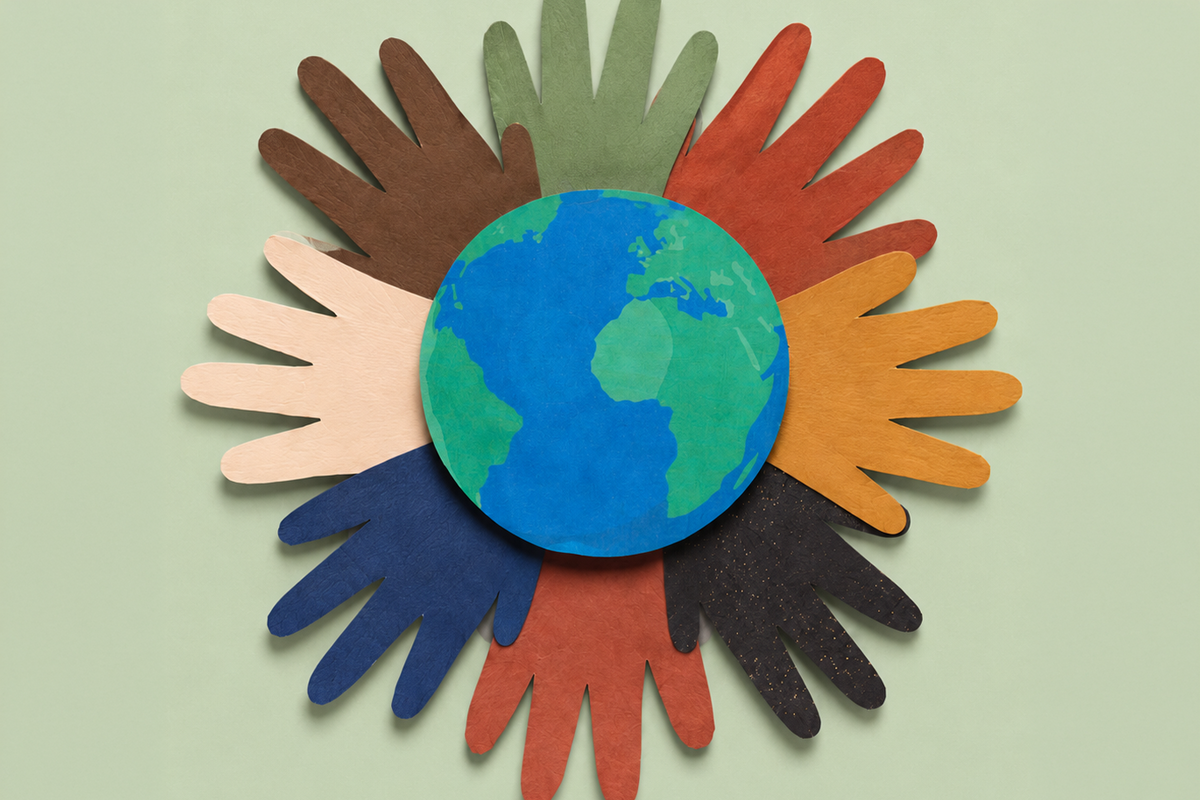
BIPOC Mental Health Month is observed every July. It’s also known as Bebe Moore Campbell National Minority Mental Health Awareness Month. The month honors Campbell’s work as an author, journalist and advocate to reduce stigma and improve mental health support for Black communities and other historically underserved populations.
BIPOC stands for Black, Indigenous and people of color. It doesn’t suggest that all individuals within these communities share the same experiences. Culture, family, language, faith, immigration history, community support and access to healthcare can all shape how a person understands and experiences mental health.
That’s why BIPOC Mental Health Month matters. Mental health doesn’t live only inside one person; it runs through families, neighborhoods, schools, workplaces and healthcare systems. When communities have better access to respectful, informed mental health care, more people feel safe asking for support before symptoms become more difficult to manage.
Read on to learn about the importance of BIPOC Mental Health Month, what culturally responsive care actually looks like and how you can show your support.
What BIPOC Mental Health Month helps us talk about
BIPOC Mental Health Month creates space for honest conversations about mental health, culture and access to care across diverse communities. These conversations can help reduce stigma and make support easier to access.
For some people, stress may stem from daily responsibilities, work, school or family concerns. These common stress responses can feel overwhelming, but they aren’t always signs of a mental health condition.
Symptoms of a potential mental health condition may include:
- Ongoing sadness
- Persistent worry
- Irritability
- Trouble sleeping
- Changes in appetite
- Withdrawal from others or social isolation
If symptoms persist, intensify or begin to interfere with daily life, it may be helpful to seek support from a licensed mental health professional.
Diagnosable mental health conditions, such as depression, anxiety disorders, bipolar disorder or post-traumatic stress disorder, require a clinical evaluation from a qualified healthcare professional.
Why culturally responsive care matters
Culturally responsive care means a provider works to understand a client’s background, values, concerns and lived experience. It doesn’t involve making assumptions based on race or culture; rather, it emphasizes listening carefully and asking thoughtful questions.
This approach can be especially important for individuals who have previously felt misunderstood, dismissed or judged in medical or mental health settings. Some may also worry that a provider will not understand cultural beliefs, family expectations or the effects of discrimination.
Culturally responsive care may include:
- Family context — Understanding how family roles, privacy and support influence care decisions
- Language access — Making sure people can communicate clearly about symptoms and needs
- Respect for identity — Recognizing how culture, race, gender, faith and community can shape mental health experiences
- Practical barriers — Talking about transportation, cost, scheduling and other access concerns
Community wellness is part of mental health
Mental health support is often most effective when it considers the whole person. For many people, wellness may include therapy, medication management, peer support, family involvement, cultural practices, faith communities or other community-based resources.
Community wellness doesn’t replace clinical care when symptoms are serious or ongoing. Instead, it can complement professional support. A trusted friend, mentor or community leader may help someone feel less alone, while a therapist or medical provider can help assess symptoms and recommend appropriate treatment options.
BIPOC Mental Health Month reminds us that mental health education should be easy to understand and easy to share. When families and communities have clear information, they are better equipped to recognize when someone is struggling and to encourage support without stigma.
How to support BIPOC mental health
You don’t need to be a mental health expert to support community wellness. Small, respectful actions can make a meaningful difference.
Here are a few ways to show your support:
- Learn without assuming — Use credible sources, while recognizing that no single resource can explain every person’s experience.
- Use supportive language — For example, say, “I’m here to listen,” rather than immediately offering advice.
- Respect privacy — Let people decide what they want to share and when they want to share it.
- Encourage professional support when needed — If symptoms persist, become intense or affect safety, work, school or relationships, a licensed provider can help.
- Help reduce barriers to care — Offer practical support when appropriate, such as helping someone find resources or make time for an evaluation.
Guidelight is here to support BIPOC mental health
BIPOC Mental Health Month is a reminder that everyone deserves care that is respectful, accessible and clinically grounded. Learning more about mental health can help communities foster openness, reduce stigma and connect people with support that fits their needs.
It may be time to seek mental health care when emotional distress begins to interfere with daily functioning. While weekly outpatient therapy can be effective for many, Guidelight’s intermediate levels of mental healthcare can provide more intensive support for individuals experiencing significant or persistent functional impairment.
We provide the following:
- Intensive Outpatient Program (IOP)
- Virtual Intensive Outpatient Program (vIOP)
- Partial Hospitalization Program (PHP)
Everyone has a seat at Guidelight. Contact our team online or call us today for more information about BIPOC mental health or to schedule an admissions appointment. We provide treatment across the country — and we’re always expanding. See if we offer care in your state, either online or at one of our local clinics.
FAQs about BIPOC mental health
What is BIPOC Mental Health Month?
BIPOC Mental Health Month is observed each July. It raises awareness of mental health needs, access to care and stigma in Black, Indigenous and other communities of color.
Why is BIPOC Mental Health Month important?
It helps people talk more openly about mental health, culture and barriers to care. It also supports more respectful and informed approaches to community wellness.
Does BIPOC Mental Health Month only focus on diagnosable conditions?
No. It includes a broad range of mental health experiences, including stress. Formal diagnosis should come from a qualified mental health professional.
What does culturally responsive care mean?
It means providers listen to and consider a person’s values, background and lived experience without making assumptions.
How can someone support BIPOC mental health?
By listening without judgment, respecting privacy and encouraging professional care when symptoms are ongoing or affect daily functioning.
What does BIPOC stand for?
BIPOC stands for Black, Indigenous and people of color. The term acknowledges groups that may experience distinct forms of inequity and stigma.
Is stress the same as a mental health condition?
Not necessarily. Stress is a common response to life events. If symptoms persist, intensify or affect functioning, professional support may be helpful.
When should someone seek mental health care?
When changes in mood, anxiety, sleep, focus or safety, or when relationships or work/school performance begin to interfere with daily life, a licensed provider can help determine next steps.
Can community support replace therapy?
Community support can be helpful, but it doesn’t replace clinical care when symptoms are serious, are persistent or involve safety concerns.
What should someone do in a mental health crisis?
If there is immediate danger, call 911 or go to the nearest emergency department. In the United States, you can also call or text the 988 Suicide & Crisis Lifeline for crisis support.